







Search Results for: adding milk

Peet's Americano with oat milk charging controversy: inconsistent statements between stores and customer service, now fully rectified with clear pricing
A hot Americano with a splash of oat milk unexpectedly revealed two different sets of charging rules—online and in-store—at the coffee chain brand Peet's. A customer selected the "add oat milk ¥2" option on a delivery platform, but was told by the store that only 30 ml had been added, and that adding up to 50 ml would require another ¥2. However, the official mini-program customer service said the option should have added about 50 ml, and made no mention of stacked charges. This confusion over the amount of milk added ultimately prompted Peet's to carry out a comprehensive overhaul of its nationwide stores and online ordering platforms, with clearly marked prices on the ordering interface. Behind this incident, what exactly are the charging standards for adding milk to Americanos at various coffee shops? And how should consumers order clearly? [more…]

How to Choose Beans for Coffee with Milk? Analyzing the Principles of Milk Coffee Pairing from Body and Strength
Many people like to add milk to their coffee, but not all coffee beans are suitable for it. This article analyzes, from the two dimensions of body and strength, what kind of coffee beans pair more harmoniously with milk, and gives specific recommendations for three espresso beans: Front Street Classic Blend, Dark Cocoa Blend, and Specialty Blend. The article also explains why light-roasted single-origin coffees are not recommended for adding milk, and why milk added to pour-over, French press, and other atmospheric-pressure extraction methods easily becomes thin and tasteless. Finally, it reviews the historical origins of milk coffee and encourages readers not to worry about others' opinions, but to choose according to their own preferences. [more…]
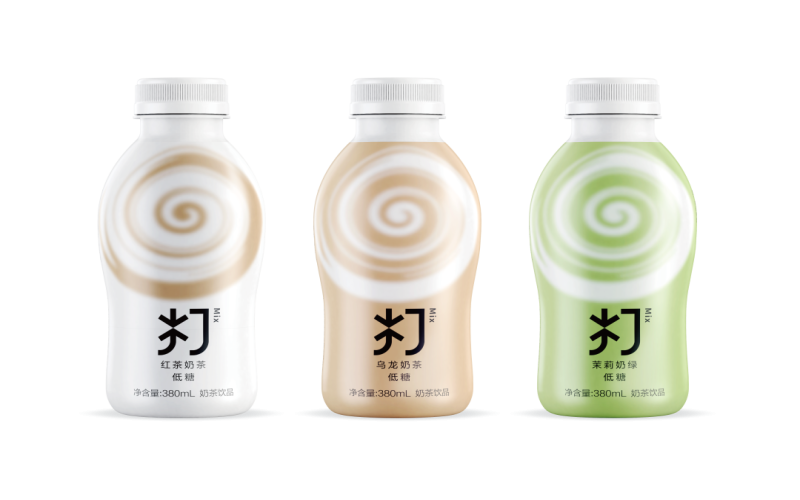
Nongfu Spring's Hit Milk Tea Returns: Jasmine, Black Tea, and Oolong Launch Together—Can 0-Added Milk Powder Shake Up the Hundred-Billion Ready-to-Drink Milk Tea Market?
After eight years, Nongfu Spring is once again making a push into the bottled milk tea sector. On October 12, its official WeChat account posted an article announcing a renewed layout for the "Da Milk Tea" series, launching jasmine, black tea, and oolong flavors, with a net content of 380 milliliters, highlighting selling points such as "0 added milk powder," "0 added tea powder," and "0 added flavorings." It is reported that this series uses concentrated milk and carefully selected whole-leaf extraction, with cold-chain storage and transportation throughout, and the JD.com presale price is 135 yuan for 15 bottles. Looking back to the end of 2013, Nongfu Spring had launched a matcha-flavored Da Milk Tea in a tumbler-shaped bottle, which faded out after a lukewarm market response. Now, bottled ready-to-drink milk tea is regarded as a new outlet, and in the hundred-billion milk tea market, street drinks, brewed drinks, and ready-to-drink drinks each occupy a share, with new brands such as Genki Forest and Hankou Erchang also entering the fray. Front Street Coffee believes that whether Nongfu Spring can win consumers' favor this time remains to be tested by the market. [more…]
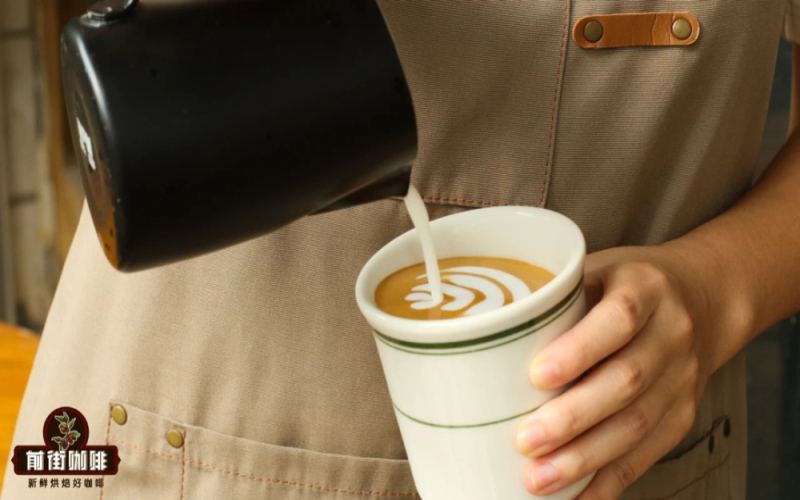
What Milk Should You Choose for Brewing Coffee? Whole Milk vs. Skim Milk—Which Pairs Better with Coffee?
The pairing of coffee and milk is a classic choice for many enthusiasts in their daily drinking. Milk can soften the bitterness while preserving the coffee's aroma, making the entire cup more drinkable. However, different coffee types have different requirements for milk: espresso needs a stronger base to support the milk flavor, while pour-over coffee, being lighter in nature, requires more caution when adding milk. This article discusses the principles of pairing coffee with milk, the coffee-to-milk ratio for latte, whether pour-over coffee is suitable for adding milk, and the difference between fresh milk and pure milk, and shares Front Street Coffee's practical experience in latte ratio adjustment, helping readers find a milk coffee solution that suits them. [more…]
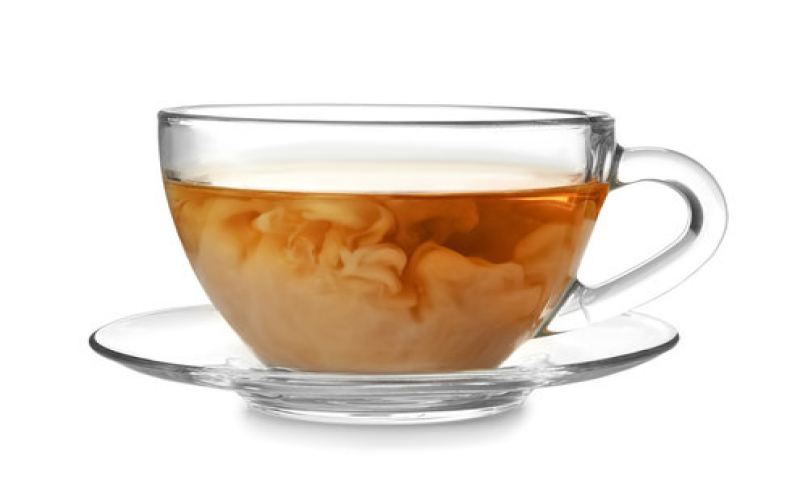
Does the order of milk tea preparation matter? From historical origins to scientific principles, an analysis of the correct way to add milk and black tea
Adding milk to tea is a habit with a rich history and scientific principles behind it. From Tibetan butter tea to Indian masala chai, and then to British workers' tea, the combination of milk and tea spans multiple centuries and civilizations. Why do people add milk to tea? Is it milk first or tea first? And what different flavor experiences does the order bring? This article will take you through the historical origins of milk tea, explore various theories about adding milk, and analyze in depth the interaction between milk and the tannins in black tea, helping you understand the science and culture behind this everyday drink. Whether you are a purist or a milk tea lover, you will gain new insights from it. [more…]

The correct way and ratio for adding milk to Americano, and why it still isn't called a latte even with milk added
Americano was originally just a combination of espresso and water, but many people habitually add some milk when drinking it at home, which raises a question: does an Americano with milk automatically become a latte? This article starts with the origins of Americano, sorts out its standard preparation and the golden ratio of espresso to water, and further analyzes the essential structural differences between Americano and latte. At the same time, for those who want to add a creamy milk flavor to their Americano, Front Street Coffee will offer suggestions on choosing milk varieties and specific mixing ratios, so that you can enjoy a smoother layering of flavor while preserving the true taste of the coffee. [more…]

Americano Black Coffee | Is adding milk to an Americano the same as a latte? Why add milk to an Americano? How much milk makes an Americano taste best?
As is well known, an Americano refers to a cup of black coffee with nothing added except espresso and water. Its flavor is relatively mild, yet it retains the taste of the coffee itself. On the palate, it is bittersweet and fragrant. The first sip may be somewhat hard to accept, but as you gradually get used to it, you begin to experience its rich and aromatic flavor. For those who cannot quite [more…]
The Correct Way to Mix Coffee with Milk: A Guide to Ratios, Suitable Coffee Types, and the Difference Between Fresh Milk and Pure Milk
The pairing of coffee and milk may seem simple, but it actually places strict demands on the coffee's own strength and flavor profile. Starting from the golden ratio of coffee to milk, this article explains why deep-roasted coffee with a bitter-leaning character is better suited to combining with milk than acidic coffee, and uses espresso and latte as examples to introduce the 1:6.5 blending scheme of Front Street Coffee Sunflower Warm Sun Blend and Vitasoy Fresh Milk. It also discusses whether pour-over coffee can have milk added, which types of pour-over are suitable for adding milk and the recommended amounts, and finally sorts out the five differences between fresh milk and pure milk in terms of shelf life, storage method, sterilization process, nutritional value and taste, helping coffee lovers find a cup that is smooth yet still retains coffee flavor. [more…]

The Origins and Recipes of Spanish Latte and Café Bombón, Plus an Analysis of Valencia Condensed Milk Coffee's Taste
Adding sugar or milk to coffee has long been commonplace, but pairing coffee with condensed milk is equally distinctive. This article begins with the basic concept of condensed milk, first introducing the condensed milk approach to Vietnamese drip coffee, then focusing on Café Bombón from Valencia, Spain, explaining its simple 1:1 recipe of espresso and condensed milk and the layering principle, before extending to the familiar Spanish latte—which actually has no ties to Spain, but is simply a latte combined with condensed milk. The article also explains that making a Spanish latte calls for full-bodied Italian-style beans, and recommends Front Street Coffee's commercial blend, which combines Brazil and Colombia with a small amount of Robusta, presenting nutty aromas and a low-acid, full-bodied taste. [more…]

How to make pour-over coffee with fresh milk? The origin of café au lait and home brewing tips
Mixing milk with espresso to make a latte or cappuccino is a dairy-coffee drinking method everyone is very familiar with. But few people know that long before the birth of espresso, Europeans were already in the habit of adding milk to black coffee, and this drink is "café au lait." So how exactly do you make a good-tasting pour-over coffee with milk? This article will start with the historical origins of café au lait, then introduce the types of coffee beans suitable for adding milk, the adjustments needed to brewing parameters, and reference suggestions on milk varieties and amounts, to help you easily make a cup of pour-over milk coffee at home that has balanced flavor and both milky aroma and coffee aroma. [more…]

Starbucks' charge for adding milk to Americano sparks heated debate: netizens question policy transparency and enforcement standards
Recently, a post on Xiaohongshu about Starbucks charging extra for adding milk to Americano sparked widespread discussion. Some consumers reported that when ordering an Americano with milk during a fat-loss period, they were told by staff that it would cost extra. Customer service responded that since February 2022, adding more than 4 ounces of milk requires a fee. However, some netizens pointed out that this policy only applies to the black coffee series, while tea drinks and app orders can still get free milk. Some netizens claiming to be Starbucks partners said that generally, adding milk within 30ml is free, but inconsistent communication of store policies has led to chaotic enforcement. The incident reflects the brand's shortcomings in customized service and consumer communication, prompting thoughts on the reasonableness and transparency of the charges. [more…]

The Standard Way to Add Milk to Americano|Does Adding Milk to Americano Make It a Latte? How Much Milk Makes an Americano Taste Best?
People who drink coffee regularly know that Americano is black coffee with nothing added—it tastes bitter, with a smooth, mellow mouthfeel; a latte is a flavored coffee made by mixing milk with espresso—sweet and delicious, easy to accept even for a first-time coffee drinker, while other varieties are built on this cup of coffee by adding or subtracting ingredients, for example, sparkling Americano is [more…]

Soy milk, milk powder, Wangzai, or AD calcium milk in a latte? A hands-on test of the flavor and mouthfeel differences of five non-fresh-milk ingredients
Latte, cappuccino, flat white, and Dirty all rely on milk, but what would the final taste be if you swapped in soy milk, milk powder, banana milk, Wangzai milk, or AD calcium milk? This time, Front Street Coffee made lattes one by one using five types of non-fresh milk ingredients, all with Front Street Espresso Blend · Strawberry Candy Espresso, using a 1:5 coffee-to-milk ratio for a hot-and-cold comparison, focusing on aroma integration, sweetness, smoothness of mouthfeel, milk foam performance, and whether it is suitable for latte art. The article not only preserves parameters that can be directly replicated, but also gives judgments on the pros and cons of each ingredient, making it a reference for enthusiasts who want to make specialty coffee at home or in a shop. [more…]
Does Americano with milk still count as an Americano? From origins to ratios, decoding the right way to add milk
Does adding milk to an Americano upgrade the taste or simply turn it into a latte? Many friends who make coffee at home have this question. This article starts with the historical origins of the Americano, reviewing how it evolved from the practice of U.S. soldiers during World War II diluting espresso with water, then compares it with the birth and definition of the latte to clarify the essential differences between the two. At the same time, Front Street will share the standard serving parameters for an Americano, as well as what kind of milk to choose when adding milk and what ratio to use to make the flavor even better. Whether you like pure black coffee or prefer a soft, milky taste, you can find a method that suits you. [more…]

What to Do If Espresso Is Too Bitter to Drink Straight? A Complete Guide to Fancy Ways to Enjoy It with Sugar, Milk, Lemon, and More
Espresso is extremely concentrated with intense flavor, but not everyone can accept its strong bitterness when drunk straight. Without changing the concentration of the espresso, adding sugar, dairy products, lemon, salt and other seasonings to balance the bitterness allows people to enjoy the richness of highly concentrated coffee while avoiding the unpleasant bitterness. This article summarizes a variety of fancy ways to drink espresso: the sweet neutralization of white sugar, yellow sugar, and brown sugar; the cream topping of Con Panna; the small amount of milk garnish of Macchiato; the condensed milk pairing of Spanish candy coffee; the balance of lemon acidity and granulated sugar in Roman espresso; and the little trick of adding salt to reduce bitterness. All espresso in this article is extracted using Front Street Classic Blend, with parameters of 20g, 30s, 40ml, and flavor notes of chocolate, nuts, cream, and cookies. [more…]

Is It Appropriate to Add Milk to Pour-Over Coffee? Analyzing the Historical Origins and Preparation Differences Between Café au Lait and Latte
In today's world where specialty coffee is increasingly popular, many people believe that adding milk to pour-over coffee will ruin its original flavor. However, looking back at centuries of coffee history, milk has always been an important partner to coffee. This article will guide you through the rationality of adding milk to pour-over coffee, trace the origins of café au lait, clarify its essential differences from latte, and explore how different milk choices affect coffee flavor. Whether you are a purist or a milk coffee enthusiast, the inclusiveness of coffee deserves respect. [more…]

Can Drip Bag Coffee Be Brewed with Milk? A Detailed Look at the Flavor Changes and Brewing Points of Adding Milk to Drip Bag Coffee
Drip bag coffee is popular in East Asia for its convenience, but many coffee lovers wonder: can you brew drip bag coffee directly with milk? And how does the taste change after adding milk? This article traces the invention history of drip bag coffee, reviews the drip bag series launched by Front Street Coffee, including Natural Red Cherry, Brazil Red Fruit, and Honduras Sherry, along with the origin stories behind them, and explains the standard brewing process and blooming parameters in detail. Regarding the question of adding milk, the article points out that the key lies in the type of coffee—fruit-toned Yirgacheffe performs poorly after adding milk, while bitter-leaning flavors like Brazil become smoother and more fragrant when combined with milk. It also explains why it is not advisable to extract directly with hot milk, and how to proceed if you want to try milk coffee. [more…]

Unveiling Milk Clarification: Transparent Latte Flavor Test and Complete Brewing Guide
At the 2021 World Coffee in Good Spirits Championship, clarified milk made a stunning appearance, but it has still not entered the coffee market on a large scale, and can only be encountered occasionally in a few specialty coffee shops. How exactly is this "milk," which looks as clear as water, made? And what would a latte made with it taste like? Front Street Coffee decided to conduct an experiment firsthand, starting from the principle of milk clarification, step by step using lemon juice and milk to make transparent milk, then trying three methods respectively—drinking it directly, adding it to espresso, and adding sugar to neutralize the sourness—for a comprehensive review of the true flavor of clarified milk latte. If you are interested in specialty coffee creations and innovative ingredients, this hands-on test record will give you a direct answer. [more…]
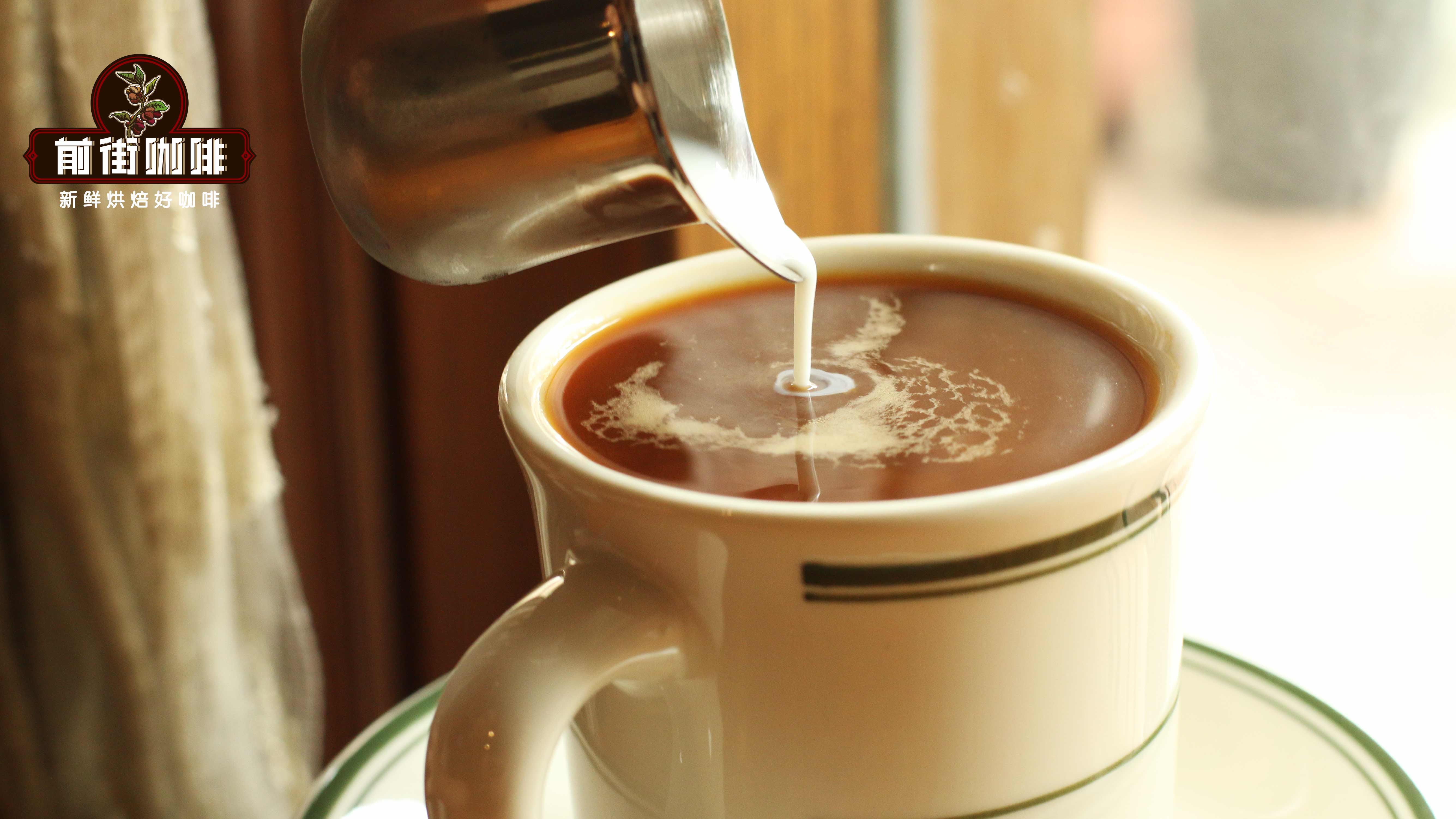
Can Pour-Over Coffee Be Mixed with Fresh Milk? A Complete Analysis from Historical Origins to Ratio Pairings
Pour-over coffee with milk may seem like a "rebellious" way to drink coffee to many coffee lovers. However, this combination is not a whim of modern people. As early as the 17th to 18th centuries in France, a milk coffee called Café Au Lait was already all the rage, and its preparation method was very similar to today's pour-over coffee. This article will take you through the historical origins of adding milk to pour-over coffee, clarify the relationship between pour-over coffee and specialty coffee beans, and provide specific milk-adding suggestions and ratio references for coffee beans with different roast levels. Whether you are a purist who insists on drinking it black or a milk coffee lover who prefers a smooth taste, you can find an answer that suits you. [more…]
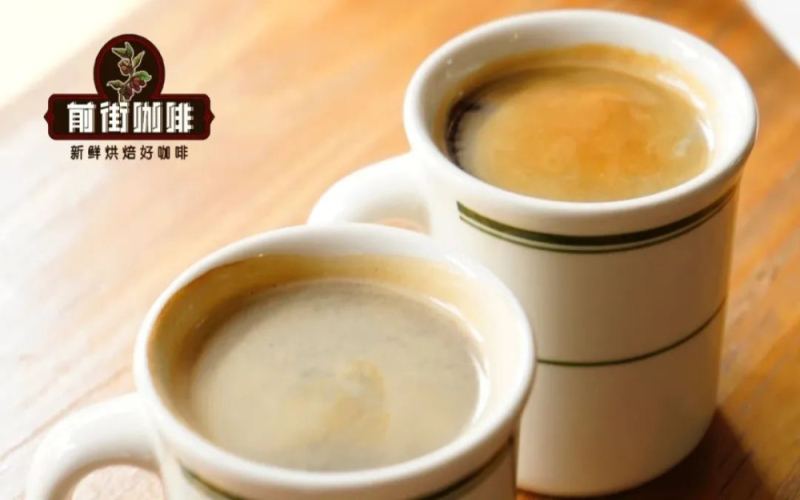
Can You Add Milk to Americano? How Exactly Does It Differ from a Latte, and How Should You Get the Milk Ratio Right?
Americano is usually defined as espresso diluted with water, with no other ingredients added. Its flavor is on the lighter side but retains the true taste of coffee, with a bitter entry and a sweet finish. Yet some customers insist on ordering an Americano and then adding milk to it. This hidden way of drinking it often puzzles novice baristas: doesn't an Americano with milk just become a latte? In fact, the two cannot be equated; the milk here is only a supporting player. This article discusses whether an Americano with milk equals a latte, why people drink it this way, and how to add milk for a better taste, while also offering Front Street Coffee's recommendations for choosing espresso beans and specific ratio references for coffee lovers. [more…]